Article: How to Care for Hand-Embroidered Suits & Shimmer Silk at Home
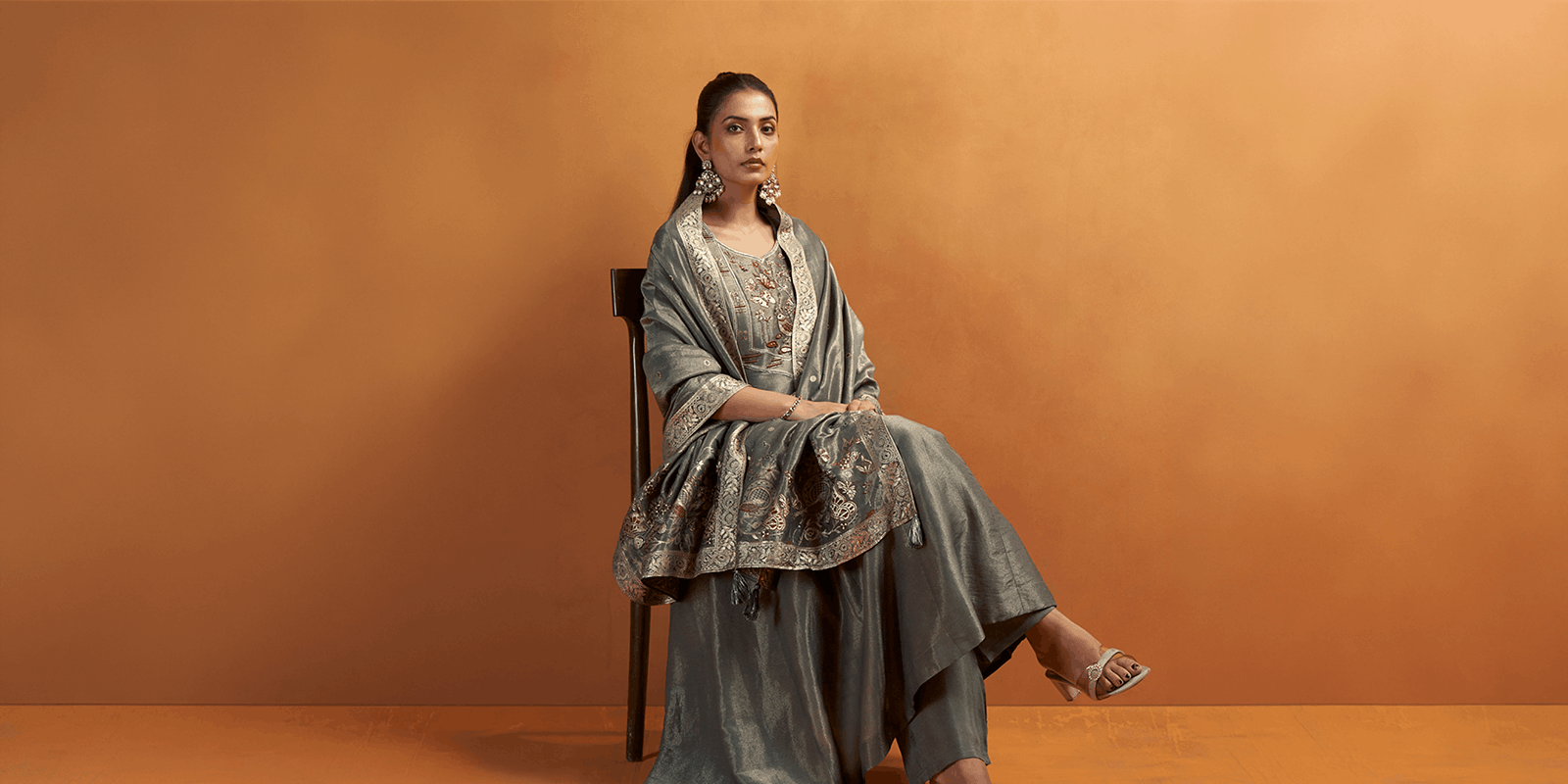
How to Care for Hand-Embroidered Suits & Shimmer Silk at Home
Cleaning, Ironing, Storage & Embroidery Protection Guide
Website reference: https://vannyab.com/
You carefully pack away a favourite embroidered suit after a wedding. Months later, you take it out and something has changed. One thread is sticking out where it should not be. A bead is sitting at a slightly different angle. There is a sharp fold running straight through the detailed work, almost pressed into place.
Here is the surprising part: the outfit probably was not damaged while you were wearing it. The damage likely happened while it was folded, pressed, cleaned or stored quietly, long after the last compliment it received.
Hand-embroidered suits and shimmer silk pieces are not ordinary clothing. They combine a base fabric with delicate surface detailing, and both need to be understood together rather than treated as an afterthought. This guide explains how to preserve embroidery at home, how to handle shimmer silk, and how to avoid the small mistakes that quietly wear down beautiful handwork.
This becomes especially important when choosing embroidered suit sets for women, because the fabric, embroidery density and type of handwork can all influence how an outfit should be handled after wearing it.
Quick answer: To preserve embroidery at home, minimise friction, excessive pressure, moisture and inappropriate heat around decorated areas. Always check the garment-care label first, handle loose threads carefully, avoid pressing directly over raised embellishment, and store embroidered clothing without crushing the decorative surface.
Why Hand-Embroidered Suits Need Special Care

A premium embroidered suit is not simply fabric with a pattern printed on it. It is fabric, construction, embroidery, embellishment and finishing working together. When any one of these elements is handled carelessly, the effect can show in the final look.
Poor handling can shift stitch placement, loosen beads, damage sequins, distort mirror work, mark the fabric surface or even pull the garment slightly out of shape. This does not mean one wrong move will ruin an expensive suit. It simply means embroidered clothing benefits from the same thoughtfulness you would give any investment piece: a little attention now can prevent disappointment later.
Every embroidered garment asks you to think on two levels at once: the base fabric and the surface embellishment sitting on top of it. A fabric may tolerate light pressing, while the beadwork or mirror work over the same area may not. This fabric-first approach also fits the way Vannya B describes its ethnic wear, where fabric, detailing and occasion-led dressing are central to the product story.
How to Care for Shimmer Silk Suits

Shimmer silk earns its name from the visible sheen that catches light and gives occasion wear a naturally dressed-up appearance, even before embroidery is added. That is part of why it is often paired with thread work, sequins or bead work.
Not every fabric labelled shimmer silk has an identical composition, so the garment's actual care label matters more than generic online advice. Heat tolerance, washing method and storage should follow the specific fabric blend and construction of the garment.
How to Care for Chanderi, Crepe & Other Embroidered Fabrics
Chanderi is valued for its lightweight, airy feel. That same lightness means it generally needs gentler handling than heavier textiles, particularly when embroidery, mirror work or beadwork is added. If you want more fabric context before deciding on care, Vannya B also explains what Mul Chanderi fabric is and why its construction affects drape and wear.
Crepe behaves differently from shimmer silk and Chanderi, with its own drape, weight and heat tolerance. The main rule across all occasion fabrics is simple: care routines should not be copied from one textile to another. For a closer comparison of these two commonly used fabrics, see Vannya B's guide to Crepe vs Chanderi ethnic suit sets.
Different Types of Embroidery and Their Care Needs
Thread Embroidery
The main risk is loose threads. Repeated friction from jewellery, handbags or crowded wardrobe storage can cause snagging, pulling or gradually loosening stitches at the edges.
Bead Work
Beadwork adds weight to a garment, and every bead is only as secure as its attachment point. Pressure from folding, stacking or prolonged contact can slowly work beads loose, so beaded areas deserve extra caution during wear and storage.
Mirror Work
Mirror work can snag nearby fabric, catch on jewellery or bend under a hard fold. Avoid placing a strong crease directly over mirror-work areas.
Zari and Metallic Work
Metallic threads benefit from careful, dry storage and material-specific cleaning. Moisture and unsuitable cleaning methods can affect their finish over time.
Sequins
Sequins can crack, flatten or become misshapen under excessive friction, direct heat or sustained pressure from stacked garments.
Gota Patti
Gota patti sits slightly raised from the fabric surface, making it more likely to catch on hooks, zips and rough textures than flatter embroidery styles.
Applique and Layered Embroidery
Layered sections have stitched edges attached to the base fabric. Those layers can react differently under heat, pressure or pulling, so they should be treated with the same care as a delicate seam.
Hand Embroidery vs Machine Embroidery: Does Care Change?
It is tempting to assume hand embroidery is automatically premium and machine embroidery is automatically low-maintenance, but that is not accurate. Both deserve attention; they simply tend to need slightly different kinds of attention.
|
Feature |
Hand Embroidery |
Machine Embroidery |
|---|---|---|
|
Stitch appearance |
May show individual variation |
Usually more uniform |
|
Surface detailing |
Often combined with hand-applied elements |
Can create dense, repeated patterns |
|
Main concern |
Loose threads, knots, hand embellishment |
Dense stitching, thread tension |
|
Care decision |
Fabric + technique + embellishment |
Fabric + construction + embroidery |
Is hand embroidery harder to maintain than machine embroidery? Not necessarily. The care required depends more on the base fabric, stitch construction, added embellishments and garment-care instructions than on whether the embroidery was completed by hand or machine.
A Practical Guide to Preserving Embroidery at Home
Step 1: Check the Care Label Before Cleaning
Make this your first rule. The brand care label reflects the fibre blend and construction of the exact piece and should take priority over generic advice.
Step 2: Inspect the Embroidery
Check for loose threads, weak bead attachments, damaged sequins, snagged hooks, disturbed mirror work, a fraying hem or stains that need targeted attention.
Step 3: Keep Friction to a Minimum
Handbags, bangles, necklaces, rough fabric and crowded storage can all rub against embroidery. Reducing these contact points is one of the simplest ways to protect handwork.
Step 4: Treat Stains Carefully
Avoid aggressive DIY stain mixtures. Check the care label first, test any allowed treatment in a discreet area, avoid scrubbing directly over embroidery and use professional cleaning where the fabric or embellishment calls for it.
Step 5: Handle Wet Embroidery Carefully
Moisture adds weight to fabric and can place extra strain on beaded or heavily embellished sections. Avoid wringing or twisting wet embroidered garments.
Step 6: Dry According to Fabric and Construction
There is no universal drying rule for every embroidered suit. The correct method depends on the fabric, construction, embroidery type and care label.
How to Wash and Spot-Clean Embroidered Clothing Safely
Can hand-embroidered suits be washed at home? It depends. Fibre composition, embroidery material, dye stability, embellishment type and, most importantly, the manufacturer's care instructions all affect whether home washing is appropriate.
Some embroidered garments may allow home cleaning, while others require specialist care. Silk-based fabrics, metallic embroidery, beads and other surface details can each have different cleaning requirements, so the care label should guide the decision.
How to Iron or Steam Embroidered Suits Without Flattening the Work
Directly pressing raised embroidery, beads, sequins or mirror work is generally best avoided.Use a protective barrier where appropriate and press from the reverse side only where the fabric allows it. Temperature should always follow the garment's fabric label rather than a generic silk setting, because shimmer silk and blended fabrics can behave differently under heat.
How to Store Hand-Embroidered Suits Properly
Should You Hang or Fold an Embroidered Suit?
It depends on the garment weight and construction. A heavy suit hung for long periods can develop tension at the shoulders, while heavy embroidery folded carelessly can develop pressure marks. Assess the specific piece rather than relying on one universal rule.
Do Not Fold Directly Across Heavy Embroidery
A fold placed exactly over dense handwork and repeated for months is one of the most avoidable causes of creasing and flattened detail.
Separate Embellished Surfaces
Use a soft protective layer, such as tissue or muslin, between folds so embroidery, beads or mirror work are not pressing directly against other fabric.
Do Not Stack Heavy Clothing Over Handwork
Weight from clothing stacked on top can quietly crush raised embellishment.
Keep Storage Areas Dry
Moisture in storage spaces can affect both the base fabric and the long-term appearance of metallic threads.
The One-Minute Check After Wearing an Embroidered Suit
Before putting a festive suit back into your wardrobe, spend one minute checking it. Look at the neckline, underarms, sleeve edges, hem and dupatta border: the areas that usually see the most contact during wear. Check where jewellery repeatedly touched the garment, look for loose beads, and scan for food or makeup marks before they set in.
This small habit, done consistently, can prevent more avoidable damage than relying on a cleaning product later.
8 Common Mistakes That Can Damage Embroidered Garments
Friction, pulling at loose threads, excessive pressure, inappropriate heat and moisture during storage are among the most common and avoidable causes of embroidery damage.
-
Pulling loose threads instead of leaving them alone
-
Scrubbing stains aggressively rather than testing first
-
Directly pressing an iron over beadwork
-
Folding exactly over heavy embroidery repeatedly
-
Storing an outfit while it is still slightly damp
-
Leaving jewellery attached to the garment during storage
-
Overcrowding the wardrobe with embellished pieces
-
Treating every silk-like fabric the same way
How to Protect a Loose Embroidery Thread
Do not pull it, and do not reach for scissors immediately. Stop handling that section unnecessarily, isolate the area so it does not catch on anything further, and photograph the design if you think you may need a reference later. For anything beyond a simple stray thread, especially detailed handwork, consult an experienced tailor or embroiderer rather than attempting a repair yourself.
Choosing Hand-Embroidered Suits That Match Your Lifestyle
Once you understand how care changes with fabric and embellishment, shopping becomes more intentional. Before buying, think about how often you will wear the piece, the base material, embroidery density, beadwork, lining, occasion and how much maintenance you are comfortable with. Vannya B's guide to the best ethnic wear for women can also help you compare fabric and outfit choices across different occasions.
If you prefer comparing these factors before buying, browse Vannya B's all outfits collection to compare Mul Chanderi, cotton, linen, crepe, shimmer-based textiles and different levels of embroidery or handwork in one place.
Shimmer Silk vs Other Embroidered Fabrics: Quick Care Guide
|
Material / Detail |
Main Concern |
What to Prioritise |
|---|---|---|
|
Shimmer silk / shimmer fabric |
Friction and surface appearance |
Gentle handling |
|
Thread embroidery |
Snagging |
Protect stitches |
|
Bead work |
Pressure |
Avoid crushing |
|
Mirror work |
Snagging / bending |
Protect surface |
|
Chanderi + embroidery |
Lightweight textile + handwork |
Gentle support |
|
Heavy handwork |
Garment weight |
Careful storage |
Frequently Asked Questions About Embroidered Suit Care
Q1. How do you preserve embroidery at home?
Minimise friction, pressure, moisture and inappropriate heat around embellished areas. Check the care label first, handle loose threads gently, and store the garment without crushing the decorative surface.
Q2. How do you protect embroidery during storage?
Use a soft protective layer between folds, avoid stacking heavy clothing on top, remove jewellery beforehand and keep the storage area dry.
Q3. Can hand-embroidered suits be washed at home?
It depends on the fabric, embellishment and manufacturing instructions. Some pieces tolerate gentle home washing, while others, especially those with beadwork or metallic thread, may need professional cleaning.
Q4. Should embroidered suits be hung or folded?
Either method can work depending on garment weight, fabric and embroidery placement. Heavy garments may stretch when hung for long periods, while poorly positioned folds can pressure beadwork or raised embellishment.
Q5. Can shimmer silk be ironed?
Whether shimmer silk can be ironed depends on the garment composition and care instructions. If pressing is allowed, avoid placing direct pressure over beads, sequins or raised embroidery.
Q6. How do you stop embroidery threads from coming loose?
Reduce contact with jewellery, rough surfaces and zips, and avoid storing the garment where it rubs against other clothing.
Q7. How should beadwork be stored?
Store beadwork flat where possible, with a protective layer separating it from other fabric, and avoid stacking heavier garments on top.
Q8. Is hand embroidery more delicate than machine embroidery?
Not automatically. Delicacy depends more on the specific fabric, stitch construction and embellishments than on the embroidery method itself.
Q9. What is the safest way to store heavy embroidered suits?
Fold gently with protective layers between embellished sections, avoid excessive stacking and choose a dry, stable storage space.
Q10. How often should embroidered garments be cleaned?
This depends on how often the piece is worn and what it is exposed to. There is no fixed universal schedule, so inspect after each wear and clean as needed according to the care label.
Conclusion: Good Care Starts Before the Next Wear
Caring for hand-embroidered suits comes down to a few consistent habits: know the fabric, identify the embroidery type, check the care instructions, minimise friction during wear and storage, and address small problems such as a loose thread before they become bigger ones.
Shimmer silk deserves attention beyond its embroidery because the fabric's surface finish also plays a major role in how the outfit looks over time.
When choosing your next occasion-ready piece, compare embroidered, shimmer, CHANDERI, crepe and other styles not only by how they look, but also by how their care needs fit your wardrobe. You can compare these details across Vannya B's designer suit sets for women before deciding which fabric and level of handwork suits you best.